

close
Choose Your Site
Global
Social Media

Views: 0 Author: Site Editor Publish Time: 2025-09-02 Origin: Site


Industrial automation has become the backbone of modern manufacturing, production lines, and machinery operation. In such systems, the choice of motors plays a crucial role in determining efficiency, reliability, and overall performance. Among the various types of motors available, Permanent Magnet Direct Current (PMDC) NEMA motors stand out for their unique combination of precision, efficiency, and adaptability.
PMDC motors are known for their compact design, high torque, and excellent speed control, while NEMA standards ensure consistency, reliability, and compatibility across industrial applications. This article explores the advantages of PMDC NEMA motors in industrial automation, highlighting why they are a preferred choice for engineers and manufacturers worldwide.
A Permanent Magnet Direct Current (PMDC) motor uses permanent magnets to produce the magnetic field instead of a wound field coil. When current flows through the armature winding, it interacts with the magnetic field generated by the permanent magnets, producing rotation.
Key characteristics of PMDC motors include:
High Torque at Low Speeds: PMDC motors can generate strong torque even at low operating speeds, making them ideal for precision control applications.
Compact Size: The absence of field windings allows for a smaller, lighter motor.
Excellent Speed Control: Simple control of voltage or current can accurately adjust the motor speed.
NEMA (National Electrical Manufacturers Association) establishes standardized frame sizes, mounting dimensions, and performance characteristics for motors. A PMDC motor that meets NEMA standards ensures compatibility with other industrial equipment, simplifies replacement, and maintains performance consistency.
PMDC motors convert electrical energy to mechanical energy with minimal losses. Because they use permanent magnets instead of field windings, there is less energy loss due to resistance, resulting in higher overall efficiency.
In industrial automation, where motors often run for extended periods, efficiency translates to significant energy savings. Reduced energy consumption not only lowers operating costs but also contributes to sustainability goals in manufacturing facilities.
Industrial automation often involves constrained spaces and compact machinery layouts. PMDC NEMA motors offer a smaller footprint without sacrificing performance. Their lightweight design simplifies installation and allows engineers to design more compact automated systems.
One of the primary advantages of PMDC motors is their ability to produce high starting torque. This characteristic is especially important in industrial automation, where machines may need to move heavy loads or overcome initial inertia. High starting torque ensures smooth startup and reduces mechanical stress on connected equipment.
Industrial processes often require motors that can maintain precise speed under varying load conditions. PMDC motors provide excellent speed regulation due to the direct relationship between applied voltage and motor speed. When paired with NEMA-standardized frames and controllers, these motors enable highly accurate automation processes, such as conveyor systems, robotic arms, and material handling equipment.
Traditional DC motors with field windings can generate heat and require regular maintenance to prevent wear. PMDC motors, however, rely on permanent magnets, reducing heat generation and the likelihood of mechanical failures. Fewer moving and wear-prone components lead to lower maintenance costs and less downtime, which is critical in continuous industrial operations.
PMDC NEMA motors are known for their durability. High-quality materials, precision engineering, and adherence to NEMA standards ensure that these motors can withstand harsh industrial environments, including exposure to dust, vibration, and fluctuating loads. Reliability is essential for automated systems, where motor failure can halt production lines and cause costly delays.
The flexibility of PMDC NEMA motors makes them suitable for a wide range of industrial applications:
Conveyor Systems: Smooth speed regulation and high torque support continuous material transport.
Robotics: Precise motion control allows for accurate positioning of robotic arms.
Packaging Machinery: Consistent speed and torque ensure efficient and reliable packaging processes.
Printing Equipment: Controlled motion prevents errors and maintains high-quality output.
Pumps and Fans: PMDC motors can efficiently drive pumps and fans in automated fluid handling or cooling systems.
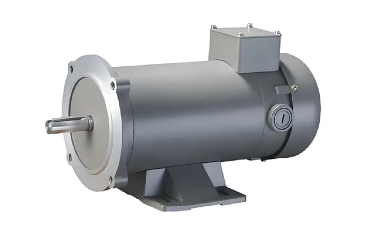
When selecting a PMDC NEMA motor, engineers must consider the voltage and current requirements of the application. Operating a motor beyond its rated voltage or current can lead to overheating, reduced efficiency, and shortened lifespan. Proper sizing ensures optimal performance and reliability.
Understanding the torque-speed curve of a PMDC motor is critical. These curves show the relationship between the torque the motor can deliver and its operating speed. In automation applications, matching the motor’s torque capabilities with the load requirements is essential to prevent mechanical strain or underperformance.
Even efficient PMDC motors generate heat under heavy loads. Proper thermal management, including ventilation, heat sinks, or cooling fans, ensures consistent performance and prevents thermal degradation of motor components.
Using a compatible motor controller is key for precise operation. Controllers regulate voltage and current to the motor, enabling smooth acceleration, deceleration, and speed control. NEMA-standard PMDC motors are compatible with a wide range of commercial controllers, simplifying integration into automated systems.
PMDC NEMA motors improve automation efficiency by providing consistent and reliable performance. High torque and precise speed control allow machines to operate at optimal rates, increasing throughput without compromising accuracy.
Energy-efficient operation and low maintenance requirements help lower operational expenses. By reducing downtime and energy waste, PMDC motors contribute to a more cost-effective automation system.
Smooth startup and precise control reduce mechanical stress on connected equipment. This minimizes the risk of damage, improves safety, and extends the overall life of the machinery.
The compact size and NEMA-standardized frame dimensions allow engineers to easily replace or upgrade motors without redesigning mounting systems or mechanical interfaces. This flexibility is valuable in evolving industrial environments.
Material Handling Systems – PMDC motors drive conveyors, lifts, and robotic pick-and-place systems, ensuring smooth and efficient material movement.
Automated Packaging – High-speed packaging lines benefit from consistent motor performance and accurate speed regulation.
Robotics – PMDC motors enable precise motion control for industrial robots, assembly lines, and automated inspection systems.
Pumps and Fluid Handling – The high starting torque and speed control allow for accurate pumping and flow regulation.
Printing and Labeling Machines – Smooth motion control ensures accurate printing and labeling, reducing errors and waste.
PMDC NEMA motors combine high efficiency, precise speed control, high torque, compact design, and reliability, making them an excellent choice for industrial automation. Their versatility allows them to be used in a variety of applications, including conveyor systems, robotics, pumps, fans, and packaging machinery. By following NEMA standards, these motors provide consistent performance, compatibility, and long-term durability, which help improve system efficiency while reducing maintenance costs and downtime.


